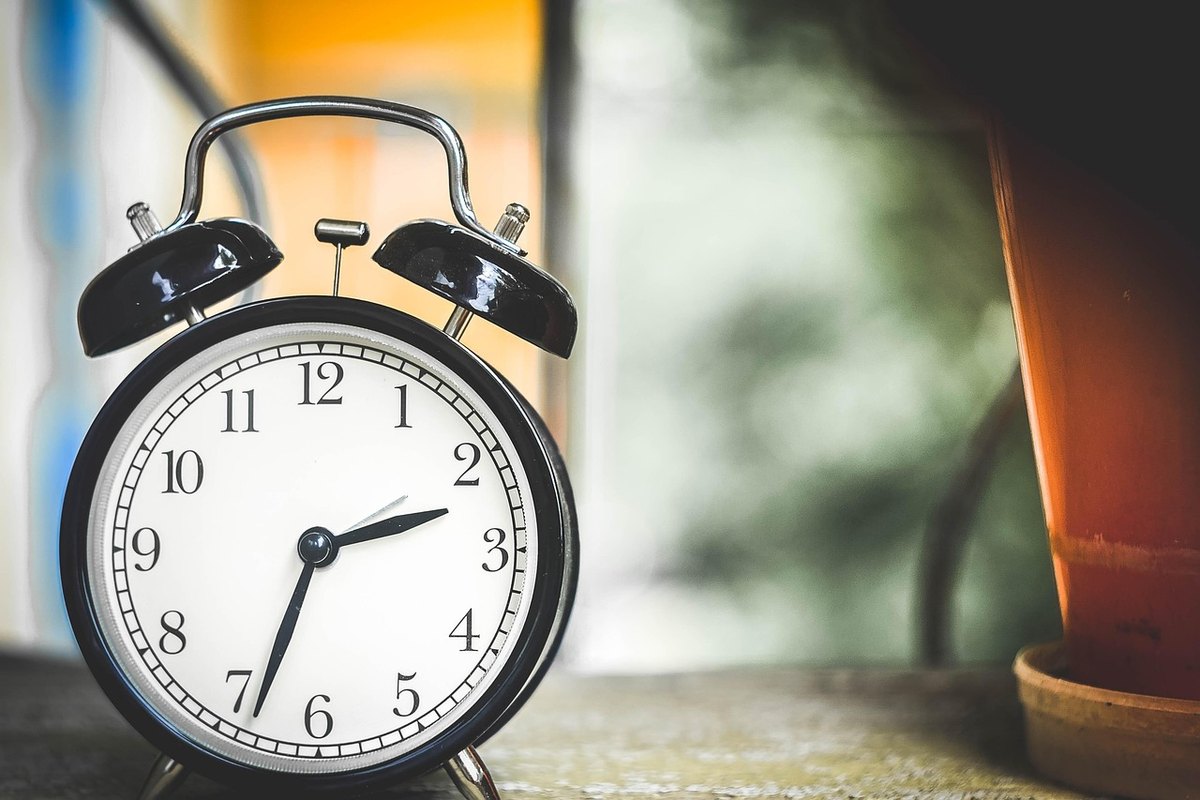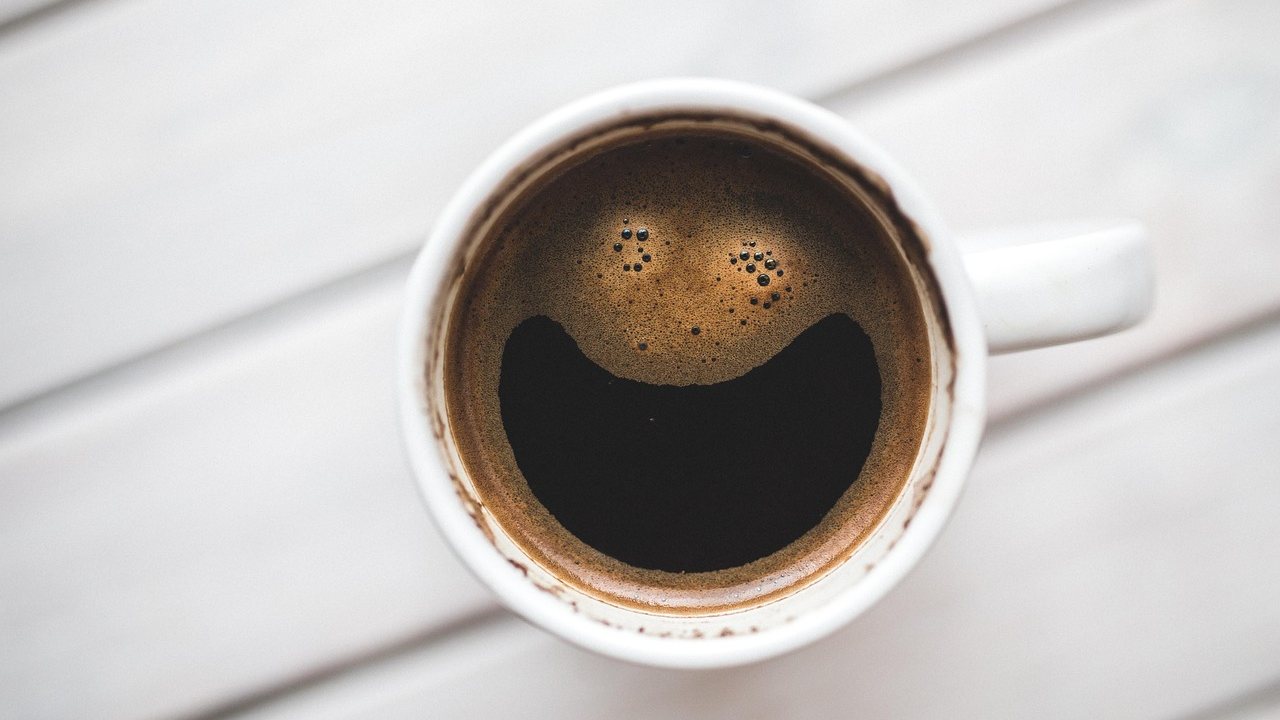
The short answer. I moved my last coffee to 2pm for thirty days. The first three days were genuinely unpleasant — headache, flat mood, an afternoon that felt twice as long. From about day ten I was falling asleep faster and waking less in the night. I have kept the rule, with one exception I will admit to at the end.
I am the wrong person to write this. I roast, I grind, I have opinions about water. Telling a coffee writer to drink less coffee after lunch is like telling a baker to stop eating bread — technically reasonable, personally insulting.
But I had a specific problem, and it was not a vague sense of being tired. I was waking at half past three most nights. Not with a start, not from a noise — just awake, for no reason, and then lying there until six. I had tried the usual things: darker room, no phone, earlier dinner. None of it changed anything.
What I had not tried was the obvious one.
The thing I had been getting wrong
Like most people who drink coffee all day, I had a mental model in which coffee is "in the morning" and therefore harmless. The afternoon cup was a small thing — an espresso after lunch, maybe a flat white at four if the day was long. Two small cups, hours before bed. Nothing that should matter.
What I had not thought about was the gap between "I can feel it" and "it is gone". Those are not the same moment. The lift wears off in an hour; the substance does not leave your body on the same schedule. Which is why a four o'clock coffee can feel like nothing at four o'clock and still be doing something at midnight.
I am deliberately not putting numbers on that, because the numbers vary enormously between people and because a number would turn this into a piece about pharmacology rather than a piece about a month of my life. The useful version is simpler: if you are in bed by eleven, an afternoon cup is closer to bedtime than it feels.
The month, honestly
Days one to three. Bad. Not dramatic, just flat. A headache behind the eyes from mid-afternoon, a distinct sense that the day had lost its shape. I drank tea instead, which helped a little and mostly made me notice how much of my afternoon ritual was the making of the coffee rather than the drinking of it.
This is the part where most people quit, and I understand why. If you judge the experiment by day two, it fails.
Days four to nine. The headache went. What replaced it was a strange, slightly boring afternoons. I noticed that I had been using coffee as punctuation — a marker between tasks — and without it the afternoon was one long undifferentiated block.
Day ten onwards. Two changes, both small. I was falling asleep faster — not dramatically, but I stopped lying there for twenty minutes. And I was waking less in the night. Not never; less.
Day thirty. The 3.30am wakings had gone from most nights to roughly once a week. That is not a cure and I am not claiming one. It is a change I could measure, which is more than I could say for the darker curtains.

What I replaced it with
The mistake people make is substituting nothing. An afternoon with no ritual at all is why the rule collapses by Thursday.
Decaf, properly made. Not the decaf of memory. Swiss-water and CO2 processed decafs, from a roaster who puts a date on the bag, taste like coffee. The failure mode is stale decaf — it goes flat faster than regular beans, and a bag that has been on a shelf for eight months is why most people think decaf is a punishment.
Matcha in the afternoon. It has caffeine, so this is not a loophole in the rule; it is a different shape of the same thing. What I noticed is that it feels less jagged than an espresso — a longer, flatter curve rather than a spike. I drink it because I like it, not because it is virtuous.
A one-cup dripper. This sounds like gear talk and it is not. The reason a nine-in-the-evening decaf works is that it takes two minutes and involves no decision. A machine that needs cleaning, or a method that needs a scale and a timer, is a method you will skip when you are tired.
The coffees that do not get counted
Before the month started I wrote down what I actually drank on a normal Tuesday, because I did not believe I was drinking much. What I found was that three of the five cups did not feel like decisions at all.
The one that came with the meal. A small espresso after lunch, because it came with the set menu. I would not have ordered it. It went in the count as though I had.
The one someone made me. In an office, in a kitchen, at a friend's flat. Refusing is a social act and it costs more than the coffee does.
The one I drank standing up. Made at four, drunk in ninety seconds while doing something else, and therefore not remembered as a coffee at all. This was the one that mattered most and the one I had been leaving out of my own accounting for years.
The useful thing about writing it down was not the total. It was discovering that my sense of "I only have two a day" was built almost entirely out of the cups I had sat down for. The ones I drank while moving were invisible to me, which is exactly why they were the ones doing the damage.
The thing nobody tells you
Cutting the afternoon coffee did not make me a morning person, and it did not give me more energy. If anything, the first week was worse on both counts.
What it gave me was a cleaner signal. When I was tired at four in the afternoon, I could tell that it was because I was tired — not because I was coming down from something. That sounds like a small thing. It changed how I planned my days more than any productivity system I have tried.
The exception
I still drink coffee after 2pm sometimes. On a Friday, if I am out, if someone has made something they are proud of. The rule is not a religion and I am not interested in pretending it is.
The difference is that it is now a decision rather than a habit. Which, honestly, is the whole point of a rule like this — not to be obeyed, but to make the default visible.
If you want to try it
Count backwards from bedtime, not forwards from lunch. Pick the cut-off that gives you a reasonable gap, and pick a weekday to start rather than a weekend, because the bad days are easier to absorb when there is structure around them.
Give it ten days before you judge it. Three days is not an experiment, it is a withdrawal.
And decide in advance what the afternoon drink is. The people who succeed at this are not the ones with the most discipline; they are the ones who replaced the ritual instead of deleting it.