The short answer. Boil the kettle, then wait. In a normal kettle filled to the minimum, 60 to 90 seconds lands you somewhere around 90 to 93°C, which is where most coffee tastes best. If you want precision without buying anything, a cheap probe thermometer costs less than a bag of beans and will teach you what your own kettle does.
The first time I made pour over coffee properly, I used water straight off the boil, because the water was boiling and coffee is made with hot water and those two facts seemed to belong together.
It tasted like a bonfire. Not burnt exactly — more like the smell of a match, in a cup.
The water was 100°C. The coffee wanted to be at about 92.
Why boiling is too hot
Coffee extraction is not one process, it is several happening at once. The things you want — fruit acids, sugars, the aromatics that make a coffee smell like more than coffee — come out early and easily. The things you do not want — the dry, woody, bitter compounds — come out late and need more energy to release.
Temperature is energy. Water at 100°C pulls the late, harsh compounds out almost as fast as the early, good ones. Water at 90°C gives the good ones time to arrive and leaves most of the harsh ones in the bed.
That is why the single most common cause of bad home coffee is not the beans, the grinder, or the machine. It is water that was too hot, used because it had just boiled and boiling felt correct.
Most specialty roasters publish a recommended range, and it is usually something like 90 to 96°C, with lighter roasts at the higher end and darker roasts lower. Blue Bottle's own brewing guidance sits in that band. If you take one number away from this piece, take 92°C.
The clock method
A kettle loses heat at a rate you can learn in about three attempts. Here is the starting point.
A 1.7 L kettle filled to the minimum line, boiled, lid on, no pouring: roughly 95°C at 30 seconds, 93°C at 60 seconds, 90°C at 120 seconds. Somewhere around 90 to 93 is your window, so 60 to 90 seconds.
A full kettle: much slower. Twice the water, roughly twice the time. Two to three minutes.
A small kettle or a pan on the hob: faster, because there is less thermal mass. Forty-five seconds may be plenty.
A kettle you just poured from and put back on the base: the base is still warm, which slows the loss. Add fifteen seconds.
Three variables change the answer — kettle size, fill level, and whether the lid is on — which is why the clock is a starting point and not a rule. But it gets you close enough that the coffee will taste different, which is the point.
The ice cube method, for when you have no patience
If you want to skip the wait entirely, put a single ice cube in the empty cup or the dripper before you pour. It drops the temperature of the first pour by several degrees immediately, and it melts into the brew rather than diluting it much.
This is a hack, and it works better than it deserves to. It is also inconsistent, because the size of your ice cube is a variable you cannot control. I use it when I am in a hurry and I accept that the cup will vary.
The two-cup method, which is more reliable
Boil the kettle. Fill your cup with cold water and pour it into the kettle, or pour half the boiled water into a second vessel and let it sit while you grind.
The second one is the one I use. Boiling water into a jug, then 30 seconds of grinding, then pour from the jug. The jug is a wide vessel with a lot of surface area, so it loses heat faster than the kettle did — you get to temperature in half the time, and you have a controlled pour at the end.
The trade-off is that a jug has no spout worth the name, so the pour is worse. If you care about the pour, buy a gooseneck; if you care about the temperature, use the jug.
What 92°C tastes like, so you know you got there
A thermometer is the precise way. This is the way that works when you are half asleep.
Brew the same coffee twice, once with water straight off the boil and once after ninety seconds, and taste them side by side. The difference is not subtle and it points in one direction.
Too hot tastes dry at the back of the tongue and leaves a woody, faintly ashy aftertaste that gets worse as the cup cools. It also smells better than it tastes, which is the confusing part — the aromatics are all there in the first sniff and then the finish lets them down.
About right tastes sweeter than you expect, with the fruit or the chocolate you bought the beans for sitting in the middle of the mouth rather than at the edges. The finish is shorter and cleaner.
Too cool tastes thin and sour, like the cup has been diluted. This is what happens when you wait four minutes instead of one, and it is the failure mode of the ice cube trick if you use too much ice.
Once you have tasted the hot version once, you can identify it in a cup without measuring anything. That is worth more than a dial, because a dial tells you the water temperature and your tongue tells you the extraction.
Where temperature sits in the list of things that matter
It matters, and it is not first. The order I would fix things in:
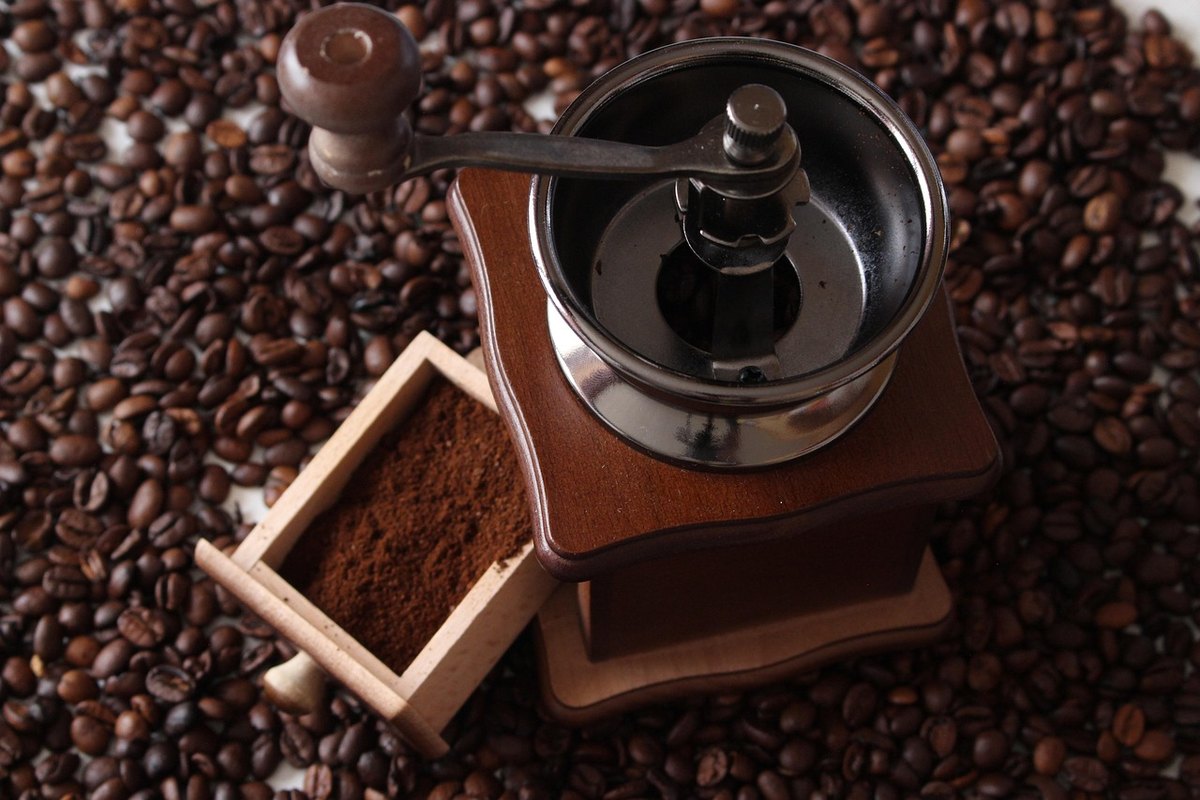
The grind. Inconsistent particle size is a bigger problem than four degrees of water. A burr grinder does more for a cup than a temperature-controlled kettle, and I made that argument at length in grind before machine.
The water itself. If your tap water is hard or heavily chlorinated, no amount of temperature control will save the cup. That is a separate piece, and it is the one people skip because it is less fun than buying equipment.
The ratio. Grams of coffee to grams of water. Get this roughly right and the cup is drinkable; get it wrong and nothing else compensates.
Then temperature. Which is where most people start, because it is the most satisfying thing to buy.
What I would actually do
If you make coffee once a day with a dripper: boil, wait 75 seconds, pour. Do that for a week and see whether you can taste the difference from pouring straight off the boil. Most people can, and it is a free improvement.
If you want to know your own kettle: buy a $15 probe thermometer, measure at 30, 60 and 90 seconds, write the three numbers on a piece of tape on the kettle, and throw the thermometer in a drawer. That is a ten-minute exercise that solves the problem permanently.
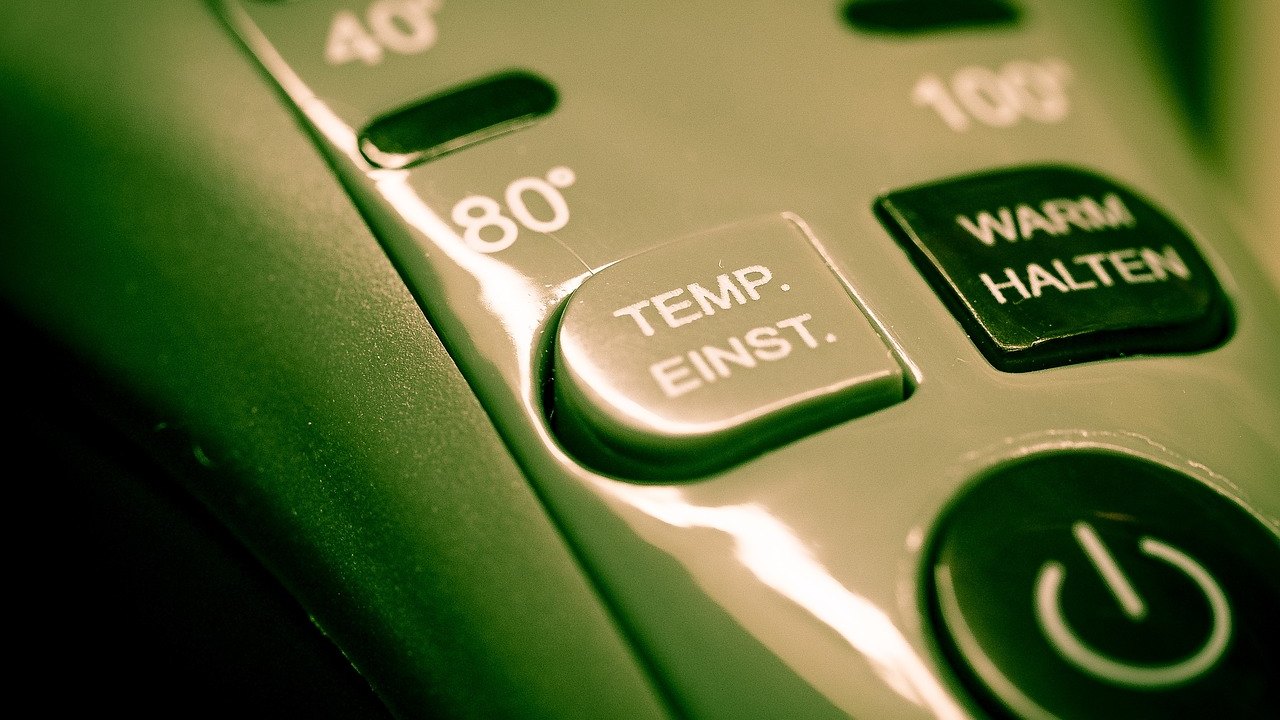
If you make coffee for two people every morning and you are tired of guessing: buy the kettle with the dial. It is the only piece of coffee equipment I have bought that removed a decision rather than adding one.