The short answer. The rug was not the problem. The rug was a cheap polypropylene pile on a bare concrete floor with no underlay, and it held dust like a filter. Replacing it with a wool rug on a felted underlay, and vacuuming it properly once a week, made more difference than anything else I changed in that flat.
I moved into a ground-floor flat in Seoul in October, which is the month when the heating comes on and every closed room starts to smell faintly of dust. By December I had a persistent blocked nose in the mornings and a suspicion, arrived at entirely without evidence, that the living room rug was to blame.
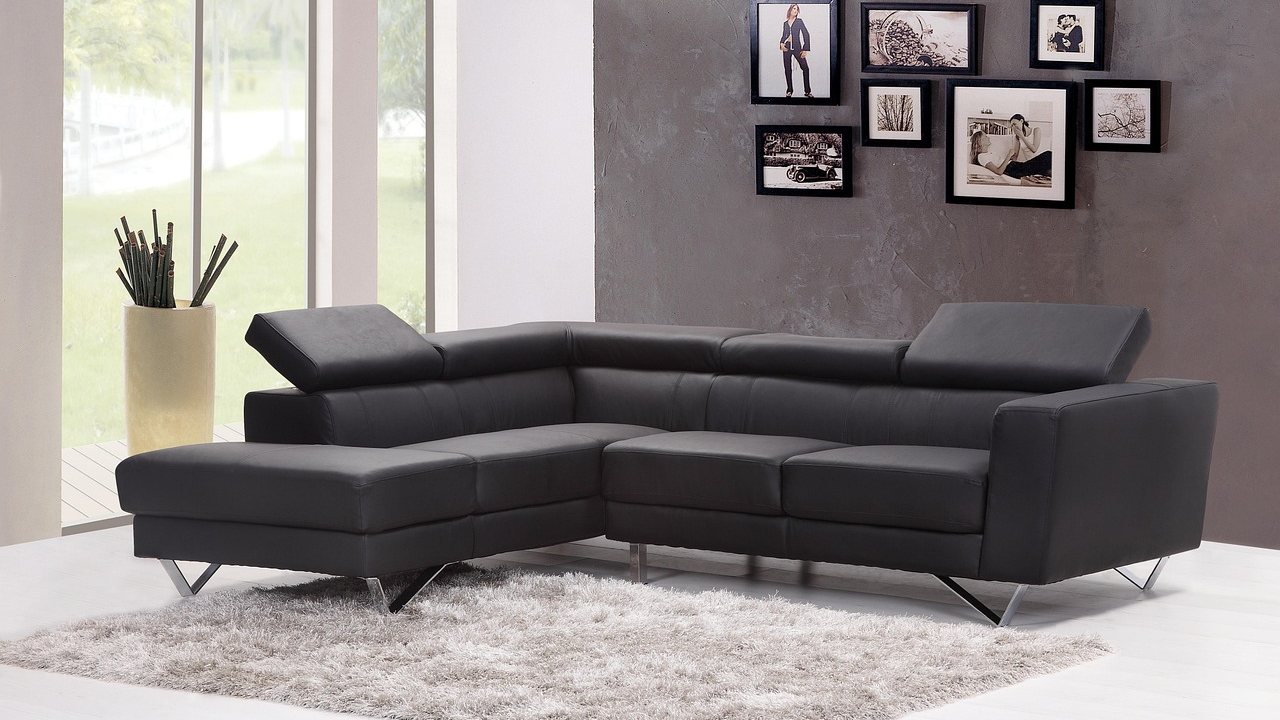
The rug was large, grey, and cost about as much as a nice dinner. It had come from a previous tenant. I hated it in the way you hate an object you have decided is the cause of a problem.
So I did what anyone does: I googled whether rugs make allergies worse, got four hundred articles that all said "it depends", and then spent a winter being annoyed.
What I actually found when I looked
The following autumn I took the rug up to clean it properly, which is the first time I had looked at what was underneath.
Underneath was bare concrete, a fine layer of grit, and no underlay at all. The rug had been sitting directly on the floor for what looked like several years, with dust working up from below and down from above, and nothing in between.
Three things became obvious at once.
The pile was the wrong kind. Polypropylene, short, dense, machine-made. That construction is designed to be cheap and to look uniform, and it holds fine dust in a way that a looser, longer wool pile does not. It also builds static, which is why it attracted hair and lint the way it did.
There was no underlay. This is the part nobody mentions. An underlay does two jobs: it stops the rug moving, and it lifts the pile off the floor so air can pass through it. A rug flat on concrete is a sealed layer. A rug on a felted underlay is a breathable one.
It had never been washed. Vacuuming, yes. Washed, no. A rug that has never been washed is holding years of whatever came in on shoes.
Why the material matters more than the rug
The question "do rugs make allergies worse" is usually answered as if rugs were one thing. They are not, and the difference between a cheap synthetic pile and a wool one is bigger than the difference between having a rug and not having one.
Polypropylene and other synthetic piles are olefin fibres — essentially plastic. They do not absorb moisture, they build static, and fine dust sits on the surface rather than working into the fibre. In a dry heated room that means dust stays airborne longer and settles back on everything.
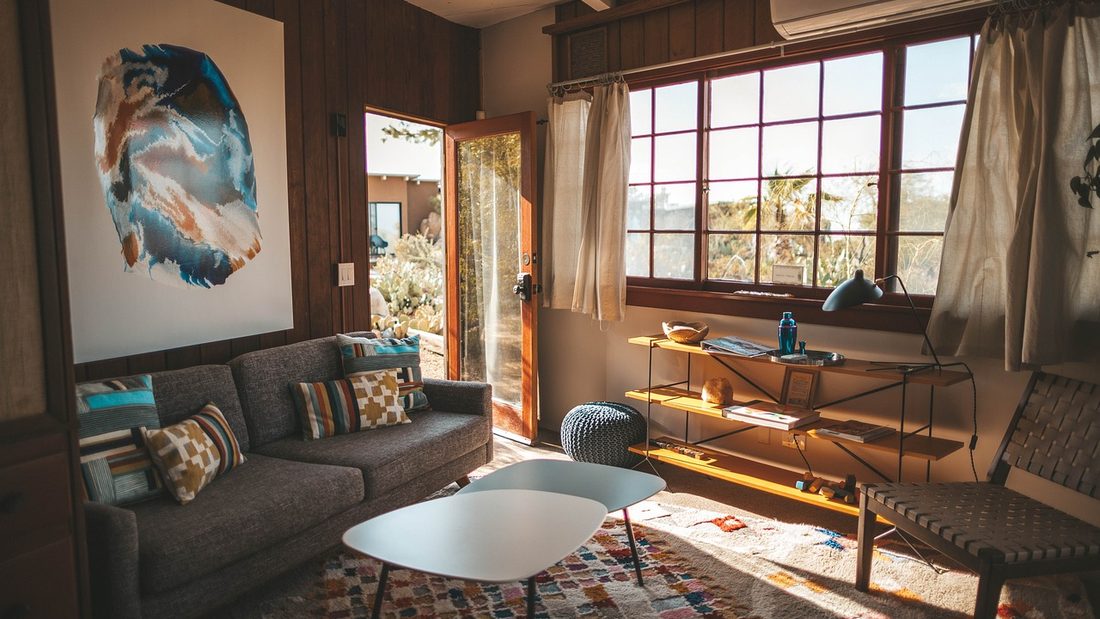
Wool absorbs and releases moisture, which is why a wool rug feels different underfoot in winter. It also does not build the same static charge, so it does not attract hair the way synthetics do. It sheds for the first few months, which alarms people, and then it stops.
Cotton, jute and sisal are flatweaves and behave differently again — less pile to hold dust, but also less cushioning and, in the case of jute, a tendency to shed fibres. They are a good choice for a hallway and a bad one for a room where you sit on the floor.
None of this is a medical claim. It is a description of how three materials behave in a heated flat, which is the level at which you can actually make a decision.
The thing that made the biggest difference
If I had to pick one change, it was not the rug. It was the underlay.
A felted wool underlay, cut to the size of the rug, costs a fraction of what a decent rug costs and changes how the whole thing behaves. The rug stops sliding. The pile stands up instead of being flattened against the floor. Air moves through the underside. And when you vacuum, you are lifting dust out of a layer rather than pressing it into concrete.
The second change was the vacuum. I had been using a cheap upright with a bag that had not been changed in a year. The useful test for a vacuum is not suction — it is whether the exhaust smells dusty after a minute of use. If it does, the filter is not sealed, and you are redistributing what you just picked up.
What I would do differently
Look at the back of the rug before buying it. If you can see individual knots, it is hand-knotted and will outlast you. If the back is a uniform grey sheet, it is machine-tufted or printed, and it will flatten within two years.
Buy the underlay at the same time. Not after. The rug and the underlay are one purchase.
Choose a pile height you can actually vacuum. A deep shag is lovely and it is also a dust trap that most vacuums cannot reach the bottom of. A short-to-medium pile in a room you actually use is the practical choice.
Wash it, don't just vacuum it. Once a year for a living room, more often in a household with pets. A rug that has never been washed is a rug holding everything that has ever walked on it.
The ten minutes a week that actually removes dust
Most rug cleaning fails not because the vacuum is bad but because it is done in one direction, once, quickly.
Go slow, and go both ways. A vacuum needs about two seconds over the same patch to lift dust out of a pile. Walking pace does nothing. Two passes at right angles, one with the pile and one against it, is the difference between the surface being clean and the rug being clean.
Do the edges and under the furniture. The border of a rug collects everything that walks past it. The strip under the sofa is where dust settles and stays, and it is the strip nobody vacuums because it requires moving something.
Turn the beater bar off on a wool pile. A rotating brush on a long wool pile pulls fibres out and, over a year, thins the rug. Suction with a bare-floor head is slower and does not damage it.
Air it once a season. If you can get a rug outside on a dry day, over a railing, and beat it, that does more in ten minutes than a month of vacuuming. Dust comes out of a pile that no vacuum can reach the bottom of.
The honest ending
I replaced the grey rug with a wool one, put a felted underlay under it, bought a vacuum with a sealed filter, and started washing the thing annually.
My mornings are better. Not perfect, and I am not going to pretend a rug fixed a nose. But the flat smells different when the heating comes on, the rug no longer slides across the floor when you walk on it, and I have stopped hating a piece of furniture.
Which, for a rug, is a reasonable outcome.